

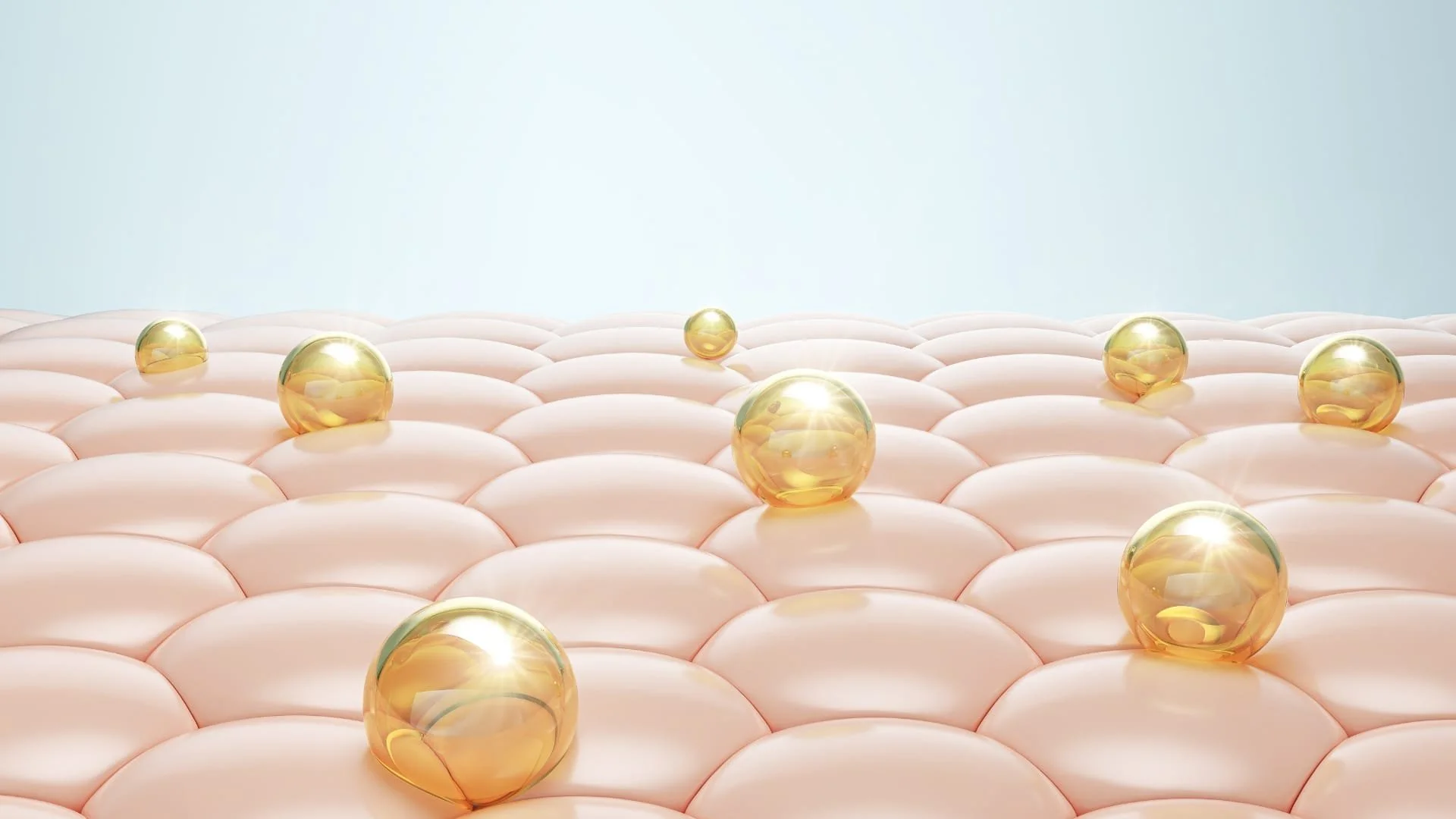
Healthy skin depends on a strong barrier that helps retain moisture while protecting against environmental stressors. Ceramides are one of the key components of that barrier, making them among the most important ingredients in modern skincare.
Although they are often associated with dry skin, ceramides benefit almost every skin type by supporting hydration, reducing moisture loss, and improving overall skin comfort. They are commonly found in moisturizers, serums, cleansers, and barrier repair treatments because of their ability to reinforce the skin’s natural protective layer.
Whether your skin feels dry, sensitive, or simply needs additional support, understanding how ceramides work can help you build a more effective skincare routine.
What Are Ceramides?
Ceramides are naturally occurring lipids (fats) that make up nearly half of the skin’s outer protective barrier. Together with cholesterol and free fatty acids, they form a structure that helps keep moisture inside the skin while protecting it from external irritants.
When ceramide levels become depleted—whether through aging, harsh cleansers, over-exfoliation, or environmental stress—the skin barrier becomes less efficient. As a result, skin may feel dry, tight, rough, or increasingly sensitive.
Topical ceramides help replenish these lipids and support the barrier’s natural function.
Benefits of Ceramides for Skin
Strengthen the Skin Barrier
Ceramides play an essential role in maintaining the structure of the skin barrier. These lipids naturally exist within the outer layer of the skin and help create a protective barrier that keeps moisture inside while limiting exposure to external stressors.
When the skin barrier is weakened, it can lead to increased dryness, sensitivity, and discomfort. Skincare products containing ceramides can help replenish these important lipids, supporting a stronger and healthier-looking skin barrier over time.
Reduce Transepidermal Water Loss (TEWL)
One of the main functions of the skin barrier is preventing excessive water from escaping through the skin, a process known as transepidermal water loss (TEWL).
When ceramide levels are insufficient, the skin may lose moisture more easily, resulting in dryness, tightness, and a rough texture. By helping restore the lipid structure of the barrier, ceramides support better moisture retention and long-lasting hydration.
Improve Dryness and Skin Comfort
Ceramides are especially beneficial for dry skin because they help improve the skin’s ability to maintain hydration. With consistent use, ceramide-based products can help reduce common signs of dryness, including flaking, roughness, and feelings of tightness.
Rather than providing only temporary hydration, ceramides support the underlying barrier function that helps skin remain comfortable and balanced over time.
Support Sensitive Skin
Because ceramides work by supporting the skin’s natural barrier rather than aggressively targeting a specific concern, they are generally well tolerated by sensitive skin.
A compromised barrier can make skin more reactive to environmental factors and skincare products. By improving barrier strength and reducing moisture loss, ceramides can help sensitive skin feel more comfortable and resilient.
Complement Active Ingredients
Ceramides are often included in routines that contain stronger active ingredients such as retinoids, exfoliating acids, and vitamin C.
While these ingredients can provide important skincare benefits, they may sometimes contribute to dryness or irritation when introduced incorrectly. Using ceramides alongside active ingredients can help maintain hydration and support skin comfort, making a routine easier to tolerate over time.
Different Types of Ceramides
Modern skincare formulations often include multiple types of ceramides rather than relying on a single form. Each type contributes differently to supporting the skin barrier, and many products combine several ceramides with other moisturizing ingredients for a more complete approach.
Ceramide NP
Ceramide NP is one of the most commonly used ceramides in skincare formulations. It is valued for its ability to support the skin barrier and improve moisture retention by helping restore essential lipids found naturally in the skin.
Because of its versatility, it is frequently included in products designed for everyday hydration and barrier maintenance.
Best for: Dry, sensitive, and mature skin.
Ceramide AP
Ceramide AP helps support the organization of lipids within the skin barrier while contributing to smoother and healthier-looking skin.
It is commonly found in formulas designed to maintain hydration and improve overall skin comfort, making it suitable for regular use as part of a consistent skincare routine.
Best for: Everyday barrier maintenance.
Ceramide EOP
Ceramide EOP is considered one of the more specialized ceramides used in skincare. It contributes to the organization and stability of the skin barrier, making it a valuable ingredient in formulas created for very dry or compromised skin.
Products containing Ceramide EOP are often designed to provide more intensive barrier support.
Best for: Dry and weakened skin barriers.
Phytoceramides
Phytoceramides are plant-derived ingredients that mimic some of the functions of naturally occurring ceramides in the skin.
They are often used in moisturizing formulas designed to support hydration and improve the appearance of dry skin. While they are not identical to human ceramides, they can contribute to a well-rounded moisturizing formula.
Best for: Daily hydration and moisture support.
Who Should Use Ceramides?
Ceramides are considered one of the most versatile skincare ingredients because they support the basic function of the skin barrier rather than targeting only one concern.
They can be beneficial for almost every skin type, especially those experiencing dryness, sensitivity, or increased moisture loss.
Ceramides may be particularly helpful if you:
- Have dry or dehydrated skin.
- Experience sensitivity, irritation, or discomfort.
- Use retinoids, exfoliating acids, or other active ingredients.
- Live in cold, dry, or harsh environmental conditions.
- Notice increased dryness or changes in skin comfort over time.
How to Use Ceramides in Your Routine
Ceramides can be used both morning and evening and are generally compatible with most skincare routines.
They are commonly found in moisturizers, creams, lotions, and barrier-supporting treatments. For many people, the simplest way to incorporate ceramides is through a daily moisturizer that combines them with other supportive ingredients such as glycerin, fatty acids, cholesterol, or soothing extracts.
Morning
A simple morning routine with ceramides may include:
| Step | Product |
|---|---|
| 1 | Cleanser |
| 2 | Optional hydrating serum |
| 3 | Ceramide moisturizer |
| 4 | Sunscreen |
Evening
At night, ceramides can help support skin comfort after exposure to environmental stress:
| Step | Product |
|---|---|
| 1 | Cleanser |
| 2 | Treatment serum (optional) |
| 3 | Ceramide moisturizer |
Consistency is more important than using a large number of products. A well-formulated ceramide moisturizer used regularly can provide more value than constantly changing between different treatments.
Ingredients That Pair Well With Ceramides
Ceramides are highly compatible with many skincare ingredients because their main role is to support and reinforce the skin barrier rather than target only one specific concern. They help maintain hydration, reduce moisture loss, and improve skin comfort, which makes them especially valuable when combined with active ingredients that may sometimes cause dryness or sensitivity.
Rather than working alone, ceramides often perform best as part of a balanced formula that combines barrier-supporting lipids, hydrating ingredients, and soothing compounds.
Hyaluronic Acid
Hyaluronic acid is a humectant that attracts water to the skin, helping improve hydration and create a smoother, more plump appearance. While hyaluronic acid helps bring moisture into the skin, ceramides help reinforce the barrier and reduce moisture loss, allowing hydration to remain within the skin for longer.
Together, these ingredients create a complementary approach: hyaluronic acid supports immediate hydration, while ceramides help maintain the skin’s ability to retain that moisture.
Glycerin
Glycerin is one of the most commonly used moisturizing ingredients in skincare due to its ability to attract and bind water to the skin. It helps improve softness and flexibility while reducing the feeling of dryness.
When combined with ceramides, glycerin supports the hydration process while ceramides strengthen the protective barrier. This combination is often found in moisturizers designed for dry, sensitive, or dehydrated skin.
Panthenol
Panthenol, also known as provitamin B5, is valued for its soothing and moisturizing properties. It helps improve the feeling of comfort in dry or irritated skin while supporting hydration.
Paired with ceramides, panthenol can create a more complete barrier-supporting formula by combining hydration, soothing benefits, and lipid support.
Niacinamide
Niacinamide is a versatile skincare ingredient known for supporting the skin barrier, helping improve uneven skin tone, and balancing excess oil production. It can also support the natural production of ceramides within the skin.
When used together, niacinamide and ceramides complement each other by addressing different aspects of skin health: niacinamide helps support barrier function, while ceramides help reinforce and maintain the protective layer.
Retinol
Retinol is an effective ingredient for addressing concerns such as fine lines, uneven texture, and signs of aging, but it may cause dryness or sensitivity, especially when first introduced into a routine.
Ceramides are often paired with retinol products because they help support skin comfort and reduce the feeling of dryness associated with retinoid use. Including a barrier-supporting moisturizer alongside retinol can help maintain a more balanced routine.
Common Myths About Ceramides
Myth: Ceramides are only for dry skin.
False. Every skin type relies on a healthy skin barrier, including oily and combination skin.
Although ceramides are often associated with dry or dehydrated skin, they play an important role in maintaining the barrier function of all skin types. When the barrier is weakened, even oily skin can experience sensitivity, dehydration, or increased discomfort.
Myth: More ceramides always mean better results.
False. The complete formulation is generally more important than the number of ceramides listed on the label.
A moisturizer’s effectiveness depends on the entire formula, including the balance of ceramides with other barrier-supporting ingredients such as fatty acids, cholesterol, humectants, and soothing agents. A higher concentration does not automatically mean a better-performing product.
Myth: Ceramides replace moisturizer.
False. Ceramides are ingredients commonly found in moisturizers and barrier-supporting products—not a separate category of skincare.
Ceramides help support the skin barrier and reduce moisture loss, but they work best as part of a complete formula that includes hydrating and moisturizing ingredients. Applying a ceramide-containing moisturizer provides both barrier support and hydration.
Recommended Ceramide Products
| Product | Category | Best For |
|---|---|---|
| Aestura Atobarrier 365 Cream | Cream | Sensitive skin |
| Illiyoon Ceramide Ato Concentrate Cream | Cream | Dry skin |
| CeraVe Moisturizing Cream | Cream | Daily barrier support |
| Dr. Jart+ Ceramidin Cream | Cream | Very dry skin |
| Skinfix Barrier+ Triple Lipid-Peptide Cream | Cream | Compromised skin barrier |
Related Reviews: When available, read our individual reviews before purchasing to learn more about each product’s texture, ingredients, and performance.
Frequently Asked Questions
Can I use ceramides every day?
Yes. Ceramides are suitable for daily use in both morning and evening routines. Because they are naturally found in the skin barrier, they are generally well tolerated and can be used consistently to help maintain hydration and support skin comfort over time.
Can ceramides be used with retinol?
Yes. Ceramides are often recommended alongside retinoids because they can help support the skin barrier while using active ingredients. Retinol may sometimes cause dryness or sensitivity, and a ceramide-based moisturizer can help maintain hydration and improve skin tolerance.
Are ceramides safe for acne-prone skin?
Generally, yes. Ceramides do not exfoliate the skin or increase oil production; instead, they help maintain a healthy barrier. For acne-prone skin, lightweight, non-comedogenic formulas may be a better choice than very rich creams, especially if the skin tends to feel oily.
Can I use ceramides with vitamin C or exfoliating acids?
Yes. Ceramides are compatible with most active ingredients and can be especially helpful when using products such as vitamin C, AHAs, BHAs, or retinoids. Supporting the skin barrier can help reduce the feeling of dryness or irritation that some active ingredients may cause.
Do ceramides repair the skin barrier?
Ceramides help support and reinforce the skin barrier by reducing moisture loss and improving hydration. They do not instantly “repair” damaged skin, but consistent use can help the skin maintain a healthier and more balanced appearance.
Further Reading
- Best Barrier Repair Moisturizers for Dry and Sensitive Skin (The Edit)
- Vitamin C for Skin: Benefits, Different Forms, and How to Use It (Ingredients)
- Aestura Atobarrier 365 Cream Review (Review)
- Why Healthy Skin Starts with a Strong Skin Barrier (Journal)
References
- Journal of the American Academy of Dermatology (JAAD)
- Journal of Clinical and Aesthetic Dermatology
- International Journal of Cosmetic Science
- American Academy of Dermatology (AAD)
- DermNet