

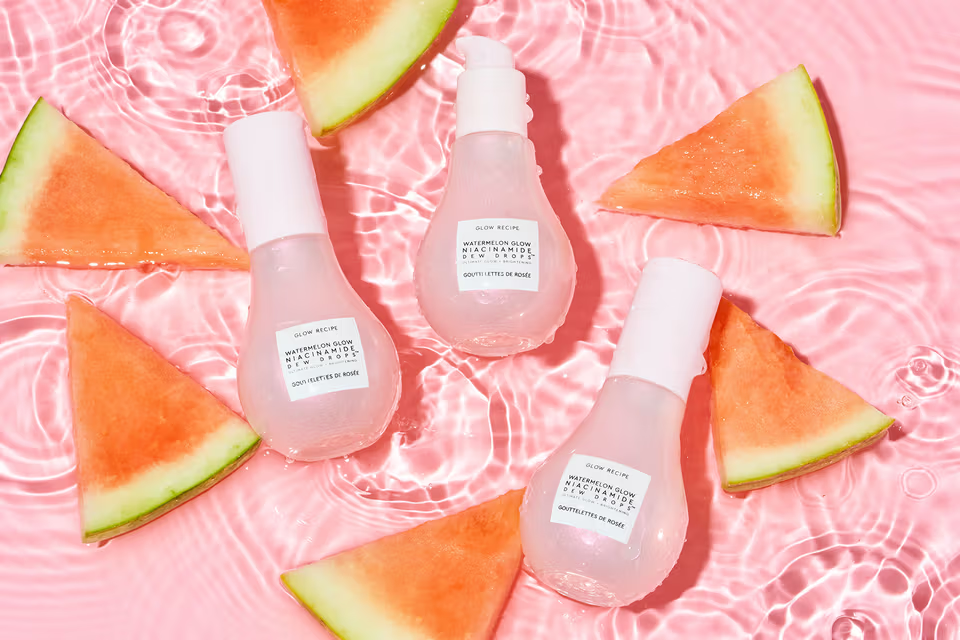
Both vitamin C and niacinamide are among the most popular skincare ingredients today. They are often recommended for brighter, healthier-looking skin, but they work in different ways. Understanding their differences can help you choose the ingredient that better fits your skin goals.
Reading time: 8 min
Two Ingredients, Different Approaches to Skin Health
When choosing skincare products, it can feel as though every ingredient promises to solve the same concerns: dullness, uneven tone, visible signs of aging, and texture.
Vitamin C and niacinamide are two ingredients that frequently appear in conversations about achieving brighter and more balanced skin. Both have strong reputations, extensive use in cosmetic formulations, and a place in many skincare routines.
However, they are not interchangeable.
Vitamin C is best known for its antioxidant properties and its ability to support a more radiant, even-looking complexion. Niacinamide, a form of vitamin B3, is valued for its versatility, including its ability to support the skin barrier, improve the appearance of uneven tone, and help maintain balanced-looking skin.
The better choice depends less on which ingredient is “stronger” and more on understanding what your skin currently needs.
What Does Vitamin C Do for Skin?
Vitamin C is a powerful antioxidant commonly used in skincare to help protect the skin from environmental stressors, including exposure to free radicals generated by UV radiation and pollution.
The most researched form of vitamin C in skincare is L-ascorbic acid, although many modern formulations use different vitamin C derivatives designed to offer improved stability and gentler application.
When used consistently, vitamin C can help:
- Improve the appearance of dull skin.
- Support a more even-looking skin tone.
- Reduce the visible appearance of dark spots.
- Promote a brighter complexion.
- Protect skin from environmental stress.
Vitamin C is particularly popular in morning routines because antioxidants can complement daily sunscreen use by helping defend against oxidative stress.
However, vitamin C formulas require careful formulation. Some forms, especially pure L-ascorbic acid, can be sensitive to light and air, which means packaging and product stability play an important role in performance.
What Does Niacinamide Do for Skin?
Niacinamide is a water-soluble form of vitamin B3 that has become one of the most widely used ingredients in modern skincare.
Unlike vitamin C, which is often associated with brightening and antioxidant protection, niacinamide is considered a multi-functional ingredient that works across several areas of skin health.
Benefits of niacinamide include:
- Supporting the skin barrier.
- Helping reduce the appearance of enlarged pores.
- Improving the appearance of uneven skin tone.
- Helping balance excess oil production.
- Supporting smoother-looking skin.
- Improving overall skin resilience.
One of niacinamide’s biggest advantages is its compatibility. It is often found in products designed for sensitive, oily, dry, and combination skin types because it tends to be well tolerated when properly formulated.
For people who are beginning a skincare routine or who experience sensitivity with stronger active ingredients, niacinamide is often considered a good starting point.
Vitamin C vs. Niacinamide: Key Differences
| Vitamin C | Niacinamide | |
|---|---|---|
| Main function | Antioxidant protection and brightening | Barrier support and skin balance |
| Best known for | Dullness and uneven tone | Multiple concerns, including sensitivity and oil balance |
| Skin types | Normal, dry, combination | All skin types |
| Routine placement | Often morning | Morning or evening |
| Sensitivity level | Some formulas may cause irritation | Generally well tolerated |
| Texture options | Serums, treatments, creams | Serums, moisturizers, toners |
Which Ingredient Is Better for Your Skin Concern?
For Dull Skin
Winner: Vitamin C
If your main concern is a lack of radiance or skin that appears tired, vitamin C may be the better choice.
Its antioxidant properties and role in supporting a brighter-looking complexion make it a popular ingredient for those seeking more luminosity. However, dullness can also be caused by dehydration, a weakened barrier, or an inconsistent routine. A brightening ingredient works best when the foundation of your skincare routine is already supporting healthy skin.
For Uneven Skin Tone and Dark Spots
Winner: Both
Both ingredients can be useful for improving the appearance of uneven tone, but they approach the concern differently.
Vitamin C is often chosen for its brightening properties and antioxidant activity, while niacinamide supports a more balanced complexion and can help reduce the appearance of discoloration over time. The best choice depends on your routine, skin sensitivity, and other ingredients you are already using.
For Sensitive Skin
Winner: Niacinamide
Niacinamide is generally the more beginner-friendly option.
Because it supports the skin barrier and is usually well tolerated, it is often recommended for people who experience redness, irritation, or difficulty introducing new active ingredients.
Vitamin C is not automatically unsuitable for sensitive skin, but certain formulas—especially higher concentrations of L-ascorbic acid—may feel more intense.
For Oily or Combination Skin
Winner: Niacinamide
Niacinamide is often preferred by those looking to maintain balanced-looking skin.
It can help support the appearance of pores and oil control while still providing barrier-supporting benefits. Vitamin C can also be beneficial, especially when the concern is post-acne marks or uneven tone.
For Mature Skin
Winner: Both
Both ingredients can have a place in a mature skincare routine.
Vitamin C provides antioxidant support and helps address visible effects of environmental stress, while niacinamide supports barrier health and overall skin quality. Rather than choosing one over the other, many routines benefit from incorporating both at different steps.
Can You Use Vitamin C and Niacinamide Together?
Yes. Modern skincare formulations allow vitamin C and niacinamide to be used together safely, and for most people there is no scientific reason to avoid combining them.
The idea that vitamin C and niacinamide should never be combined is an outdated skincare myth. Early laboratory studies suggested that these ingredients could interact under specific conditions, but those findings do not reflect how modern skincare products are formulated or used today.
Modern formulations are designed to be stable and compatible, allowing both ingredients to complement one another when incorporated into the same routine. Vitamin C primarily provides antioxidant protection and helps improve the appearance of uneven skin tone, while niacinamide supports the skin barrier, balances excess oil, and enhances overall skin resilience.
Both ingredients can comfortably exist within the same skincare routine. One simple approach is to use vitamin C in the morning for antioxidant protection and niacinamide in the evening to support the skin barrier and overall skin balance. A routine could look like this:
| Morning | Evening |
|---|---|
| Cleanser | Cleanser |
| Vitamin C Serum | Niacinamide Serum |
| Moisturizer | Moisturizer |
| Sunscreen | — |
Alternatively, both ingredients can be used in the same routine depending on the formulas and how your skin responds.
Common Mistakes When Choosing Between Them
Choosing between vitamin C and niacinamide is rarely about finding a universally “better” ingredient. Both ingredients have well-established benefits, but unrealistic expectations and common misconceptions often lead people to overlook what matters most: selecting the right formulation and building a consistent skincare routine.
One of the most common misconceptions is believing that a higher concentration automatically means a more effective product. While percentages are often highlighted in marketing, they reveal very little about how a formula will actually perform. Ingredient stability, packaging, pH, and the overall formulation frequently have a greater impact than concentration alone. A well-formulated serum with a lower percentage of an active ingredient can outperform a poorly designed product with a much higher concentration.
Another common mistake is introducing too many brightening products at the same time. Layering multiple active ingredients without considering the condition of the skin barrier may increase the likelihood of irritation, dryness, or sensitivity. In many cases, a simple routine built around one or two thoughtfully chosen products delivers more consistent results than constantly adding new treatments.
Finally, it’s important to remember that neither vitamin C nor niacinamide provides overnight results. Visible improvements typically develop over weeks of consistent use, supported by a well-rounded routine that includes daily sunscreen, gentle cleansing, and adequate moisturization. Rather than searching for immediate transformation, focus on building habits that your skin can benefit from over time.
Products to Consider
Both vitamin C and niacinamide can be valuable additions to a skincare routine. The right choice depends less on finding the “best” serum and more on selecting a well-formulated product that addresses your skin’s current needs. Here are a few products worth exploring.
If Your Goal Is Brighter, More Even-Looking Skin
These vitamin C serums are designed to help improve the appearance of dullness and uneven skin tone while providing antioxidant protection.
| Product | Why We Like It |
|---|---|
| Goodal Green Tangerine Vita C Dark Spot Care Serum | A gentle vitamin C serum that combines green tangerine extract with brightening ingredients, making it suitable for those looking to address dullness and post-acne marks. |
| Geek & Gorgeous C-Glow | Formulated with fresh L-ascorbic acid, this serum is a great option for experienced vitamin C users seeking a simple, science-backed formula. |
| Beauty of Joseon Light On Serum: Centella + Vitamin C | A lightweight formula that pairs a stable vitamin C derivative with centella asiatica, offering a gentler approach for sensitive or easily irritated skin. |
Final Thoughts
Vitamin C and niacinamide are not competing ingredients.
They solve different problems.
Vitamin C is often the better choice for those focused on antioxidant protection, dullness, and achieving a brighter-looking complexion. Niacinamide is a versatile option for those prioritizing barrier support, balance, and overall skin health.
For some people, the best routine may include both.
The most effective skincare choice is rarely about finding the “best” ingredient. It is about understanding your skin, choosing formulas thoughtfully, and building a routine you can maintain consistently.
Related Reading
- Best Ginseng Skincare Products for Healthy, Radiant Skin (The Edit)
- Vitamin C for Skin: Benefits, Different Forms, and How to Use It (Ingredients)
- Goodal Green Tangerine Vita C Dark Spot Care Serum Review (Review)
References
- Pullar JM, Carr AC, Vissers MCM. The Roles of Vitamin C in Skin Health.
- Bissett DL. Niacinamide: A B Vitamin that Improves Aging Facial Skin Appearance.
- International Journal of Molecular Sciences. Research on antioxidants and skin aging.
- Journal of Cosmetic Dermatology. Studies on topical niacinamide and skin barrier function.